Brand Alignment: Driving SaaS Product Growth
Brand alignment for SaaS enhances user trust and growth. Learn types, processes, benefits, risks, and how design strategies impact adoption.

Every SaaS leader knows that inconsistent messaging across teams can create confusion and hurt customer trust. With more competition than ever, strong brand alignment is not just a marketing tactic but a strategic advantage that shapes how your users and partners perceive your software. This guide unpacks practical strategies for synchronizing your brand identity, messaging, and design so every interaction reinforces your company’s value and fuels real, measurable product growth.
Table of Contents
- Defining Brand Alignment In SaaS
- Key Types Of Brand Alignment Strategies
- How Brand Alignment Influences User Experience
- Steps To Achieve Consistent Brand Messaging
- Risks And Challenges Of Poor Brand Alignment
- Comparing Brand Alignment To Other Strategies
Key Takeaways
| Point | Details |
|---|---|
| Strategic Brand Alignment | Effective brand alignment combines core values, messaging, and customer experiences to create a compelling narrative. |
| Holistic Communication | All teams and channels must work together to ensure consistent messaging across every customer interaction. |
| Understanding Audience Needs | Deeply knowing customer pain points enhances product design and messaging, fostering long-term trust. |
| Regular Audits for Consistency | Conducting regular brand alignment audits ensures ongoing consistency in messaging and user experiences. |
Defining Brand Alignment in SaaS
Brand alignment represents the strategic synchronization of a SaaS company’s core values, messaging, and customer experience across every interaction. At its essence, it ensures that your software solution communicates a consistent and compelling narrative that resonates with your target market. Strategic brand positioning becomes critical in transforming complex software solutions into clear, compelling value propositions.
In the competitive SaaS landscape, brand alignment goes beyond traditional marketing. It involves creating a holistic approach where internal teams, product design, customer support, and external communication channels work in concert to deliver a unified brand promise. This means every touchpoint—from initial website interaction to onboarding experience, user interface design, and customer support—must reflect the same core messaging and values.
The pillars of effective brand alignment in SaaS include precise brand identity, consistent messaging, and exceptional user experience. Companies must develop a deep understanding of their target audience’s needs, pain points, and aspirations. By aligning product design with strategic brand messaging, SaaS organizations can create powerful narratives that differentiate them in a crowded market and build long-term customer trust.
Pro tip: Conduct quarterly brand alignment audits to ensure your product’s design, messaging, and customer experience remain synchronized and reflect your evolving market positioning.
Key Types of Brand Alignment Strategies
SaaS companies deploy multiple strategic approaches to achieve comprehensive brand alignment, each targeting different aspects of organizational communication and customer experience. Systematic alignment processes involve creating robust frameworks that connect internal teams, product development, and external messaging into a unified narrative that resonates with target audiences.
The primary brand alignment strategies include internal brand guidelines, content-driven thought leadership, and experience-focused design. Companies must develop clear, consistent communication protocols that translate core brand values across marketing materials, product interfaces, customer support interactions, and partnership communications. This requires establishing well-defined brand guidelines that serve as comprehensive reference points for all team members and external collaborators.

Thought leadership emerges as a critical brand alignment strategy, where SaaS organizations create educational content that influences market perception. By prioritizing outcome-oriented narratives over feature-driven descriptions, companies can differentiate themselves and build deeper connections with potential customers. This approach demands a strategic content engine that consistently communicates the brand’s unique value proposition and demonstrates deep industry expertise.
Pro tip: Develop a centralized brand asset management system that provides real-time access to updated brand guidelines, messaging frameworks, and visual identity resources for all team members.
Here’s a summary of key brand alignment strategies and their distinct roles:
| Strategy Type | Main Objective | Typical Activities |
|---|---|---|
| Internal Brand Guidelines | Ensure internal messaging consistency | Develop brand guides, training staff |
| Thought Leadership | Build trust and market authority | Publish expert content, webinars |
| Experience-Focused Design | Enhance user interaction and loyalty | Harmonize UX/UI, streamline support |
How Brand Alignment Influences User Experience
Brand alignment profoundly shapes user experience by creating a seamless, predictable interaction ecosystem that reflects a company’s core values and promises. Consistent customer experience strategies transform digital interactions from transactional exchanges into meaningful brand encounters that build trust and emotional connection.
At the core of user experience, brand alignment manifests through intentional design choices that communicate brand personality across every interface and interaction point. This means visual elements, microcopy, onboarding flows, and support interactions must coherently represent the brand’s underlying narrative. When users encounter a consistently designed product that feels authentic and aligned, they develop deeper engagement and increased likelihood of long-term retention.

The psychological impact of brand alignment extends beyond aesthetic consistency. Digital product interactions become powerful moments of brand validation, where users unconsciously assess whether the product’s behavior matches its promised value proposition. Successful SaaS companies understand that each interaction is an opportunity to reinforce brand trust, turning seemingly mundane user experiences into strategic brand-building moments that differentiate them in competitive markets.
Pro tip: Conduct monthly user experience audits that map each interaction point against your brand’s core values to ensure consistent emotional resonance and alignment.
Steps to Achieve Consistent Brand Messaging
Achieving consistent brand messaging requires a strategic, multi-dimensional approach that aligns organizational communication across all channels. Strategic brand messaging frameworks begin with comprehensive market research that deeply understands target audience needs, preferences, and pain points, forming the foundation for authentic and resonant communication.
The core of consistent messaging lies in developing a robust brand voice and narrative architecture. This involves creating detailed communication guidelines that specify tone, language style, key themes, and core messaging pillars. Companies must develop comprehensive documentation that provides clear direction for internal teams and external partners, ensuring that every communication—from marketing collateral to customer support interactions—reflects a unified brand personality and value proposition.
Implementing and maintaining brand messaging consistency requires ongoing commitment and systematic processes. Brand communication templates play a crucial role in standardizing messaging across different platforms and teams. By establishing clear workflows, approval processes, and periodic review mechanisms, SaaS organizations can ensure that their brand voice remains cohesive, adaptable, and aligned with evolving market dynamics and customer expectations.
Pro tip: Create a centralized brand messaging repository that includes voice guidelines, approved messaging templates, and real-time collaboration tools to maintain communication consistency across all organizational touchpoints.
Risks and Challenges of Poor Brand Alignment
Poor brand alignment in SaaS represents a critical vulnerability that can systematically undermine an organization’s market positioning and customer relationships. Brand misalignment risks manifest through multiple complex channels, creating cascading negative consequences that extend far beyond surface-level communication inconsistencies.
The psychological impact of misalignment is particularly profound in the digital ecosystem. When a company’s promised experience diverges from actual user interactions, it triggers significant trust erosion. This disconnect creates a fundamental credibility gap where customers begin questioning the entire value proposition. Visual design, marketing messages, and product functionality must work in concert to validate the brand’s core promises, or customers will quickly disengage and seek alternative solutions that feel more authentic and reliable.
Psychological gaps in brand perception can result in tangible business consequences, including increased customer churn, reduced conversion rates, and diminished market reputation. SaaS companies that fail to maintain consistent messaging across all touchpoints risk creating a fragmented brand identity that confuses potential customers and undermines their competitive positioning. The cumulative effect of these misalignments can lead to significant revenue loss and reduced customer loyalty, making brand consistency not just a marketing ideal, but a critical strategic imperative.
Pro tip: Implement a quarterly brand alignment audit that systematically reviews all customer touchpoints, measuring the consistency between promised brand experience and actual user interactions.
Comparing Brand Alignment to Other Strategies
Brand alignment stands distinctly apart from traditional marketing and branding approaches by emphasizing holistic, operational consistency across an organization. Brand alignment strategies transcend conventional marketing tactics by integrating core values into every organizational touchpoint, creating a more profound and comprehensive approach to brand communication.
Unlike traditional brand positioning, which primarily focuses on external market perception, brand alignment operates as an internal and external synchronization mechanism. While marketing campaigns aim to generate awareness and brand positioning seeks to differentiate, brand alignment ensures that every organizational process, from product design to customer support, reflects a consistent narrative. This approach transforms branding from a superficial communication strategy into a deeply integrated operational philosophy that connects internal culture with external brand expression.
Comprehensive brand integration techniques reveal that most traditional strategies operate in silos, whereas brand alignment creates a unified ecosystem where product development, marketing, customer experience, and organizational culture work in seamless harmony. By prioritizing consistency and authenticity across all interactions, brand alignment enables SaaS companies to build more meaningful, trust-based relationships with their customers that extend far beyond transactional experiences.
Below is a comparison of brand alignment versus traditional marketing and brand positioning approaches:
| Approach | Focus Area | Main Outcome |
|---|---|---|
| Brand Alignment | Internal and external sync | Unified brand experience |
| Traditional Marketing | External outreach | Increased short-term leads |
| Brand Positioning | Market differentiation | Clear market perception |
Pro tip: Develop a cross-functional brand alignment team that includes representatives from product, marketing, sales, and customer support to ensure comprehensive strategy implementation.
Achieve True Brand Alignment to Accelerate Your SaaS Growth
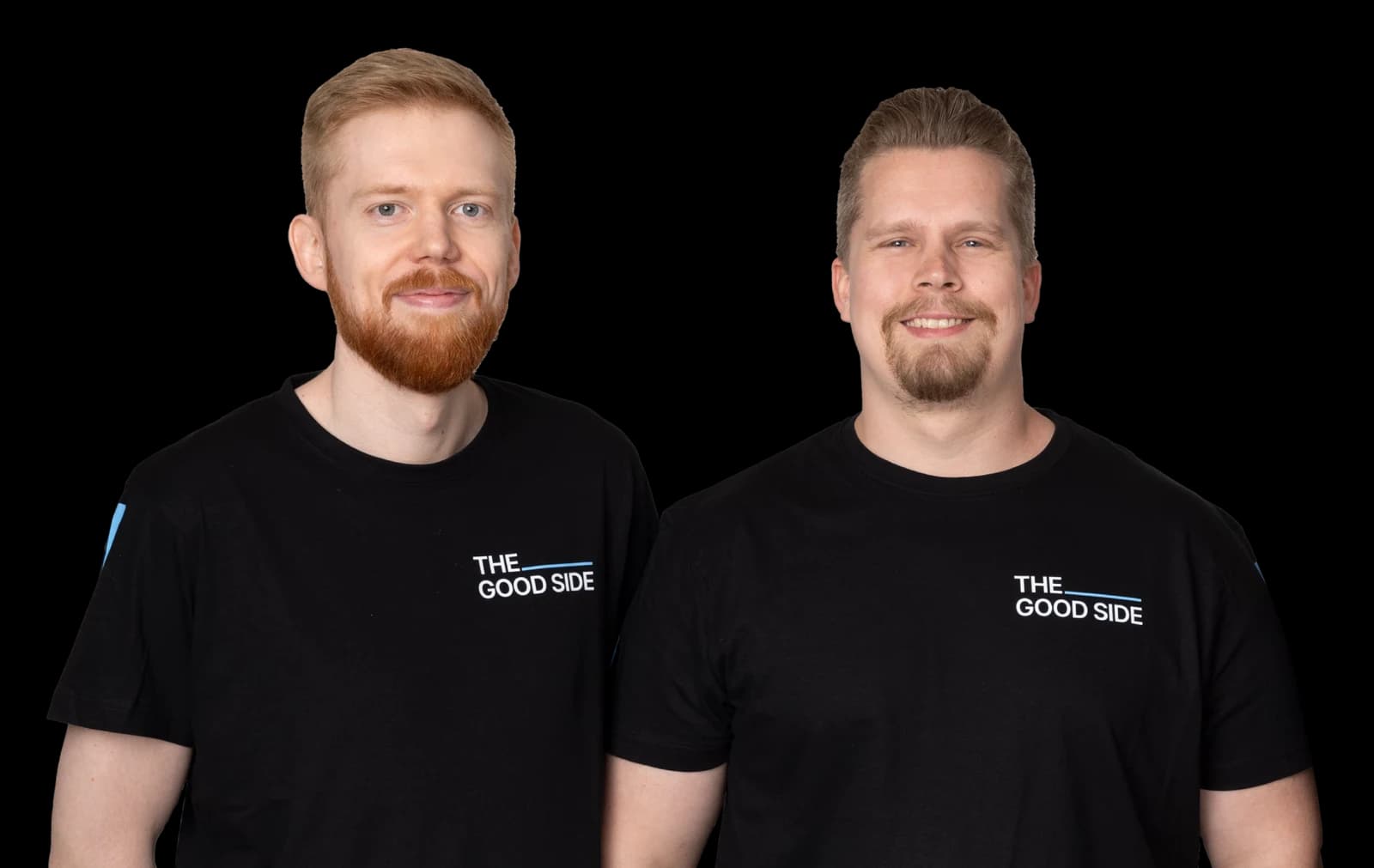
Brand alignment is more than just consistency in messaging it is the key to building a unified user experience that drives customer trust and long-term retention. If your SaaS product struggles with fragmented design, inconsistent messaging, or lack of strategic ownership this article highlights the high stakes and risks involved. At The Good Side Oy, we specialize in embedding senior designers directly within your teams to close that gap. Our experts help align your product design, onboarding, and go-to-market strategies so each user interaction reflects your core brand promise and business goals.

Take control of your SaaS brand narrative right now by partnering with fractional design leaders who co-create with your product and engineering teams. This means no surface-level UI fixes but real, measurable growth through strategic design leadership tailored to SaaS companies ready to scale. Discover how our unique embedded design approach drives activation, adoption, and revenue. Visit The Good Side Oy, explore our strategic positioning services, and learn about strategic design solutions for SaaS crafted to keep your brand aligned at every touchpoint. Start building a product that is easier to understand easier to use and easier to grow today.
Frequently Asked Questions
What is brand alignment in SaaS?
Brand alignment in SaaS refers to the strategic synchronization of a company’s core values, messaging, and customer experience across all interactions to create a consistent brand narrative that resonates with the target market.
How does brand alignment impact user experience?
Brand alignment enhances user experience by ensuring that every interaction, from product design to customer support, reflects the company’s core values, leading to deeper engagement and increased customer loyalty.
What are key strategies for achieving brand alignment in SaaS?
Key strategies for brand alignment in SaaS include developing internal brand guidelines, creating thought leadership content, and focusing on user experience design that consistently manifests the brand’s identity.
What are the risks of poor brand alignment?
Poor brand alignment can lead to trust erosion among customers, increased churn, reduced conversion rates, and a fragmented brand identity, ultimately undermining market positioning and customer loyalty.